HEATHERBEE® KENNELS with Heideland® Poodles
Scottish Heritage Breeds – CKC Registered Scottish Terriers, Golden Retrievers & West Highland White Terriers with Heideland® Toy & Miniature Poodles
About Us & FAQ

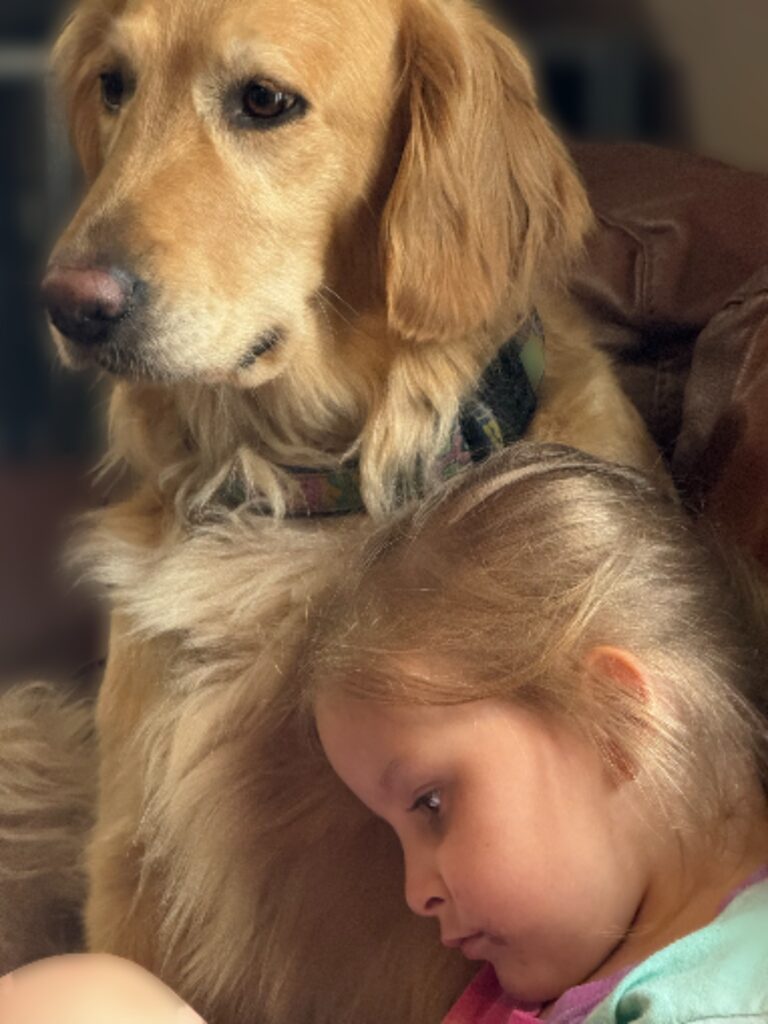
HeatherBee Kennels is registered with the CKC (Canadian Kennel Club) Heather MacLeod is a longstanding Premium Member. Our dogs live, and puppies are hand raised in a loving home with loving and gentle exposure to my grandchildren of various ages from the time they are born. They are also well socialized with other dogs by the time they go to join your family in their new forever home.
HeatherBee Kennels Registered, (find us on the CKC.ca puppy list of breeders) brings over 40 years of experience to the health, socializing and overall wellbeing of our dogs and puppies. Our adult breeding dogs are all genetically tested for inherited diseases and structural soundness, which enables us, with confidence, to place our puppies with their new families and a strong health guarantee.
Q. Do you Health Test your dogs before breeding?
A. Absolutely. In addition to breed specific DNA health testing, our objective for all of our dogs is to do the tests required by the OFA for CHIC health certification.
Recommended Tests/CHIC Program Requirements
The OFA, working with the breed’s parent club, recommends basic health screening tests for all breeding stock. Dogs meeting these basic health screening requirements will be issued Canine Health Information Center (CHIC) numbers. For CHIC certification, all results do not need to be normal, but they must all be in the public domain so that responsible breeders can make more informed breeding decisions. For potential puppy buyers, CHIC certification is a good indicator the breeder responsibly factors good health into their selection criteria. The breed specific list below represents the basic health screening recommendations. It is not all encompassing. There may be other health screening tests appropriate for this breed. And, there may be other health concerns for which there is no commonly accepted screening protocol available.
| Screening Tests Required for Scottish Terriers | Testing options |
|---|---|
| von Willebrand’s Disease | DNA-based vWD test from an approved lab; results registered with the OFA |
| Patellar Luxation | Veterinary Evaluation of Patellar Luxation. Results registered with OFA. |
| Craniomandibular Osteopathy (CMO) | DNA based CMO test from an approved lab, results registered with the OFA. |
| Health Elective | One of the following: Autoimmune Thyroditis Evaluation from an approved Lab. Results registered with OFA. ACVO Eye Examination. Results registered with OFA. OFA Radiographic evaluation for Legg-Calves-Perthes OFA Serum Bile Acid Evaluation OFA Kidney (UP/UC Ratio) Screening |
Q. How often are your female dogs bred?
A. There are several factors considered when making a decision about breeding a female. First and foremost we consider the overall health of the dog. That includes everything from the results of various health tests (genetic, OFA hips and elbows, patella and others that are required) and ruling out preventable conditions for which there are no current tests such as Scottie Cramp and others. The time of year as well as market demand with committed and suitable buyers are also considered. Examples of our breeding program include:
- Penny – 5 year old Scottish Terrier. 18 months between her current litter and her previous litter.
- Annie – 3 year old Golden Retriever, Rosie’s daughter, bred only once over 2 years ago.
- Rosie – 5 year old Golden Retriever bred only once.
- Dolly – 3 year old Scottish Terrier. Bred twice and spayed during a C-Section.
- Cedar – 4 1/2 year old Standard Poodle. Bred once 2 1/2 years ago.
Q. Do you Breed doodles?
A. The answer is a resounding NO, NEVER. No matter what the marketing claims are about any mixed breed dogs, HeatherBee Kennels Registered only breeds purebred, CKC recognized dogs.
Q. If you don’t breed doodles, why do you Breed both Poodles and Golden Retrievers?
A. With a long history of work as a registered counsellor in Canada, the awareness of the value of dogs sutiable for therapy, service dogs work, and as emotional support animals has grown. Some of the work we do as an ethical and responsible breeder relates to the interest and demand in dogs suitable for these roles. The involves a temperament assessment for potential of each and every dog considered for this role. However, it also involves a thorough discussion with the potential handler or owner of the dog to best understand their needs. Golden Retrievers and Poodles are both exceptional choices for this kind of relationship, and increasingly Scottish Terriers have proven they too can be therapy animals. There are a number of factors that contribute to choosing between the breeds. For example, the coat type of the poodle, closer to a human hair than fur, may be a deciding factor for people with allergies, and the size of the dog can also be important. For professionals working with a dog in their practice or in a facility, allergies among their clients or patients can be a significant consideration. Simply ‘mixing’ breeds is not a solution and the end result may produce quite unexpected results. We help people make the best decision based on individual needs.
Q. Do you guarantee a dog will become a service or therapy dog?
A. No. There are many factors that contribute to the successful outcome of a dog considered to have good potential. When a puppy is evaluated we conduct a standardized temperament test and those results are shared with the buyer. To be clear about that, the test isn’t a simple pass or fail. We evaluate for the traits that most align with the intended role of the dog in the future. However, the training the dog receives, the relationship with trainers, handlers and owners is the most important factor. The dog must enjoy the work they are trained to do! Nevertheless, we provide all of our puppies with age appropriate stimulation, lots of love and bonding, doing all we can to assure a positive outcome for everyone.
Q. Do you Breed Merle coloured poodles?
A. Again, the answer is a resounding NO, NEVER. We understand that people often have colour preferences, however merle is never to be registered with the CKC due to the belief that merle is a colour not genrtically produced by purebred poodles. All poodles registered with the CKC must be purebred.